Off-Ratio Coverage for spray foam contractors
Specialized endorsements and standalone policies for off-ratio spray foam applications — the #1 exclusion that leaves contractors exposed when an improper A:B mix causes adhesion failure, odor, structural damage, or remediation costs.
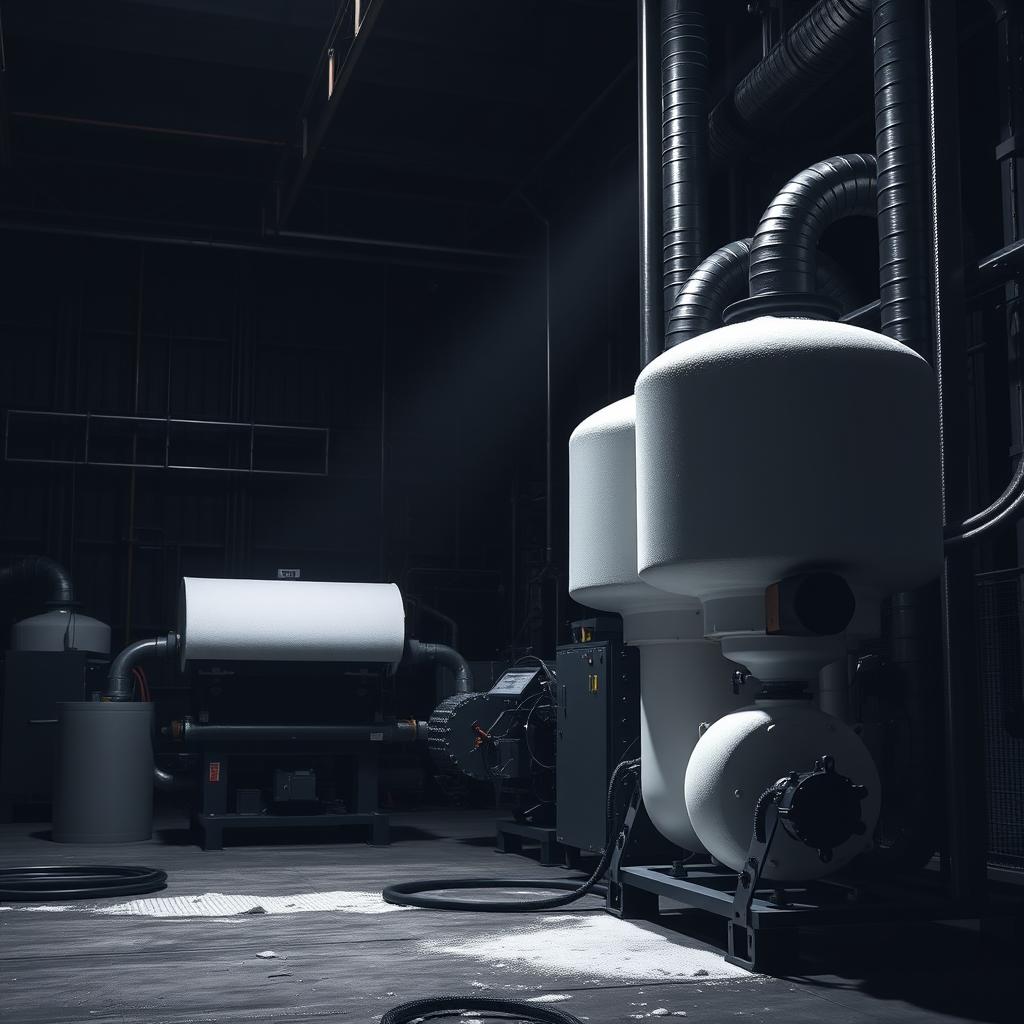
What it covers
- Property damage from off-ratio foam applications
- Adhesion failure and delamination resulting from improper mix ratio
- Odor, off-gassing, and habitability claims from off-ratio foam
- Remediation and removal costs for defective foam applications
- Defense costs when an off-ratio claim is brought against the contractor
- Completed-operations off-ratio claims surfacing after job completion
Who it's for
- Every spray foam contractor — off-ratio exclusions are in nearly all standard GL policies
- Contractors who have received claims or complaints related to foam performance
- Operations using multiple foam systems where ratio calibration is critical
- Commercial contractors whose GC contracts require coverage for foam defects
Why CCA
- We place the off-ratio endorsement as part of the GL program — not as an afterthought
- Standalone off-ratio policies when endorsements aren't available or sufficient
- E&S market access for contractors with prior off-ratio loss history
Common questions about off-ratio coverage
Off-ratio occurs when the A (isocyanate) and B (polyol) chemical components are applied outside the manufacturer's specified mix ratio — typically due to equipment calibration issues, temperature, or pressure problems. The resulting foam may fail to cure properly, causing adhesion failure, odor, off-gassing, or structural compromise.
Standard GL forms contain 'faulty workmanship' or 'your work' exclusions that remove coverage for damage arising from the contractor's own work not performing as expected. Off-ratio is treated as a workmanship defect — excluded by default unless a specific endorsement adds it back.
Depending on the policy form, off-ratio coverage can pay for: removal of defective foam, remediation of affected areas, replacement materials, third-party property damage from off-ratio foam, and defense costs when a claim is brought.
Both exist. Some E&S GL programs include off-ratio as a covered peril by endorsement. For contractors with prior off-ratio losses or higher commercial exposure, a standalone off-ratio policy may provide better terms and limits.
Equipment calibration records, manufacturer training certifications, application logs showing mix ratio compliance, and a documented quality-control process all support favorable placement. Underwriters want to see that you actively manage the risk.
Cost is driven by annual revenue, crew size, job types, loss history, and which lines you carry. We quote your actual operation in about 15 minutes — never a ballpark from a generic contractor form.
Yes. Contractors Choice Agency is licensed in all 50 states and writes spray foam programs for contractors nationwide — Texas, Southeast, Midwest, Northeast, California, Mountain States, and everywhere foam contractors operate.
Typically 15 minutes on a call. Larger or more complex operations may take a day or two to place with the right E&S markets, but we move fast and set expectations up front.
Often yes. We have E&S markets for spray foam contractors declined over off-ratio exposure, prior loss runs, or other issues. Bring us your situation and we'll find a market.
Usually yes. A coordinated program closes gaps between policies and is typically cheaper than separate policies from separate carriers — and far easier to manage at claim time.
A.M. Best ratings reflect a carrier's financial strength and ability to pay claims. We place coverage with A-rated carriers so the coverage is there when an off-ratio claim, pollution loss, or completed-operations claim hits.
Yes. Spray foam roofing has unique exposures — adhesion, weather resistance, and UV degradation claims. We have programs specifically for spray polyurethane foam (SPF) roofing contractors, including completed-operations and coating failure coverage.
Completed-operations coverage under GL pays for property damage or bodily injury that occurs after the spray foam work is complete. The GL policy in force at the time of the job typically responds — which is why maintaining consistent, adequate limits over time matters.
Annual revenue, crew size and composition, types of jobs (residential, commercial, industrial, roofing), spray foam systems and manufacturers used, current coverage and carrier, and loss history for the past 5 years. The more detail, the more accurate the quote.
Your GL covers your operations. If you sub out work, you need a subcontractors endorsement or to require subs to carry their own GL with you as additional insured. We structure the program so subcontractor exposure is properly addressed.
Not always. Spray foam roofing has different completed-operations exposure than building insulation. We make sure the policy language and limits are appropriate for your specific mix of roofing vs. insulation work.
If you have proper GL with completed-operations coverage and CPL in force, those policies respond. This is exactly why maintaining consistent coverage — and not dropping policies between jobs — matters for spray foam contractors.
Yes. If you run multiple crews, have a warehouse or shop location, or operate in multiple states, we build one coordinated program covering all your operations with no gaps.
Yes. Spray foam product distributors, training facilities, and manufacturer representatives have unique liability exposures. We have programs for the full supply chain — not just applicators.
Pair it with related coverage
Ready to protect your spray foam operation?
Get a 15-minute quote from specialists who understand spray foam — GL, off-ratio endorsements, CPL, and the completed-operations tail your jobs demand.