Workers' Compensation for spray foam contractors
Workers' comp written for the real injury patterns of spray foam work — chemical exposure, respiratory claims, equipment injuries, and fall hazards. Proper class codes. A-rated markets that understand specialty contractor risk.
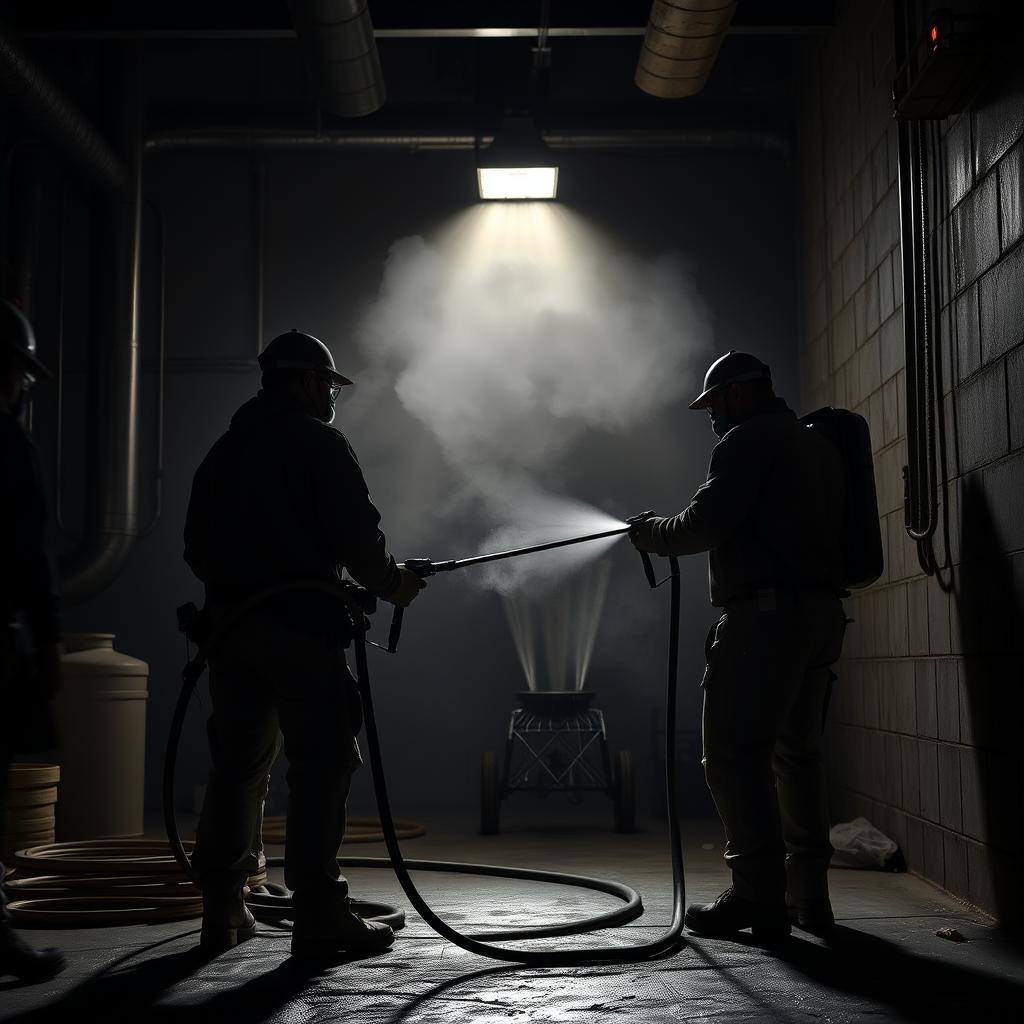
What it covers
- Medical treatment for on-the-job injuries
- Disability and lost-wage benefits for injured spray foam workers
- Chemical and respiratory exposure claims from isocyanate contact
- Equipment and machinery injuries from proportioners and spray systems
- Fall injuries from ladder and scaffolding work
- Employers' liability (Part Two) protection
Who it's for
- Spray foam contractors with W-2 employees (required in most states)
- Spray foam applicators and crew members
- Shop, prep, and equipment maintenance workers
- Operations whose workers are misclassified under generic contractor codes
Why CCA
- Class codes structured for actual spray foam job categories
- Chemical and respiratory exposure reflected in underwriting — not generic labor codes
- A-rated market access for spray foam contractors
Common questions about workers' compensation
In most states, yes — workers' comp is mandatory once you have employees. Spray foam work is high-hazard (chemical exposure, equipment, falls), making proper coverage essential for both your crew and your financial protection.
Spray foam applicators typically fall under insulation contractor codes, but specific codes vary by state and job type. Correct classification is critical — wrong codes mean audit surprises and potential coverage gaps.
Yes — occupational disease and chemical exposure claims are covered under workers' comp. Isocyanate sensitization and respiratory illness are known occupational hazards in spray foam work, and a properly structured workers' comp policy covers these claims.
Your workers' comp covers W-2 employees. For 1099 subcontractors, you need to require them to carry their own workers' comp — or verify whether your state treats them as employees for coverage purposes. We help you structure this correctly.
Seasonal payroll and project-based crews are reflected in the workers' comp premium. We structure the policy to cover your actual workforce size throughout the year so an audit doesn't produce an unexpected bill.
Cost is driven by annual revenue, crew size, job types, loss history, and which lines you carry. We quote your actual operation in about 15 minutes — never a ballpark from a generic contractor form.
Yes. Contractors Choice Agency is licensed in all 50 states and writes spray foam programs for contractors nationwide — Texas, Southeast, Midwest, Northeast, California, Mountain States, and everywhere foam contractors operate.
Typically 15 minutes on a call. Larger or more complex operations may take a day or two to place with the right E&S markets, but we move fast and set expectations up front.
Often yes. We have E&S markets for spray foam contractors declined over off-ratio exposure, prior loss runs, or other issues. Bring us your situation and we'll find a market.
Usually yes. A coordinated program closes gaps between policies and is typically cheaper than separate policies from separate carriers — and far easier to manage at claim time.
A.M. Best ratings reflect a carrier's financial strength and ability to pay claims. We place coverage with A-rated carriers so the coverage is there when an off-ratio claim, pollution loss, or completed-operations claim hits.
Yes. Spray foam roofing has unique exposures — adhesion, weather resistance, and UV degradation claims. We have programs specifically for spray polyurethane foam (SPF) roofing contractors, including completed-operations and coating failure coverage.
Completed-operations coverage under GL pays for property damage or bodily injury that occurs after the spray foam work is complete. The GL policy in force at the time of the job typically responds — which is why maintaining consistent, adequate limits over time matters.
Annual revenue, crew size and composition, types of jobs (residential, commercial, industrial, roofing), spray foam systems and manufacturers used, current coverage and carrier, and loss history for the past 5 years. The more detail, the more accurate the quote.
Your GL covers your operations. If you sub out work, you need a subcontractors endorsement or to require subs to carry their own GL with you as additional insured. We structure the program so subcontractor exposure is properly addressed.
Not always. Spray foam roofing has different completed-operations exposure than building insulation. We make sure the policy language and limits are appropriate for your specific mix of roofing vs. insulation work.
If you have proper GL with completed-operations coverage and CPL in force, those policies respond. This is exactly why maintaining consistent coverage — and not dropping policies between jobs — matters for spray foam contractors.
Yes. If you run multiple crews, have a warehouse or shop location, or operate in multiple states, we build one coordinated program covering all your operations with no gaps.
Yes. Spray foam product distributors, training facilities, and manufacturer representatives have unique liability exposures. We have programs for the full supply chain — not just applicators.
Pair it with related coverage
Ready to protect your spray foam operation?
Get a 15-minute quote from specialists who understand spray foam — GL, off-ratio endorsements, CPL, and the completed-operations tail your jobs demand.